[ c = centralizing, a = actions, f = for, é = everyone ]
the ability to receive proper care for strokes is a privilege many can not afford --- we bridge this gap through education.
[ c = centralizing, a = actions, f = for, é = everyone ]
the ability to receive proper care for strokes is a privilege many can not afford --- we bridge this gap through education.
+80%
of neurological deaths occur in low-middle-income countries
+50%
is the projected stroke mortality rate from 2020 to 2025
~38%
people only were aware of all major stroke symptoms
imagine looking over a loved one
think and tell a funny (inside) joke
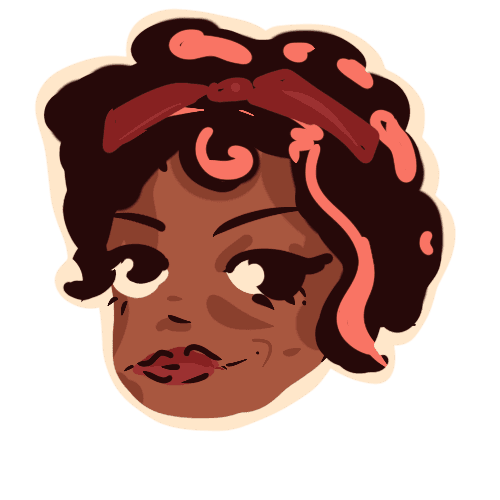
watch the smile :)
was your loved one’s smile uneven and/or did their face move not as well as other?
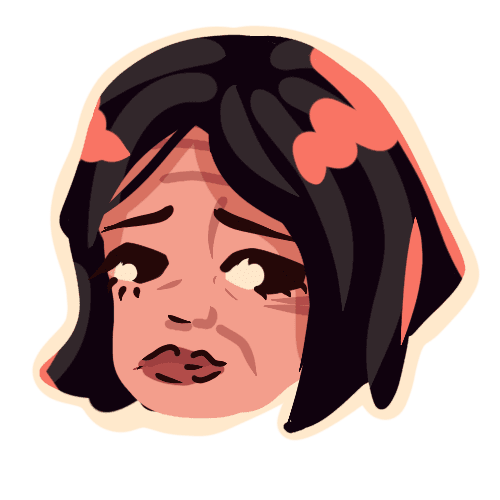
do your favorite dance together
watch the arms (〜^∇^)〜
did their arms show any weakness? one weaker than another?
play your or your loved one’s favorite song
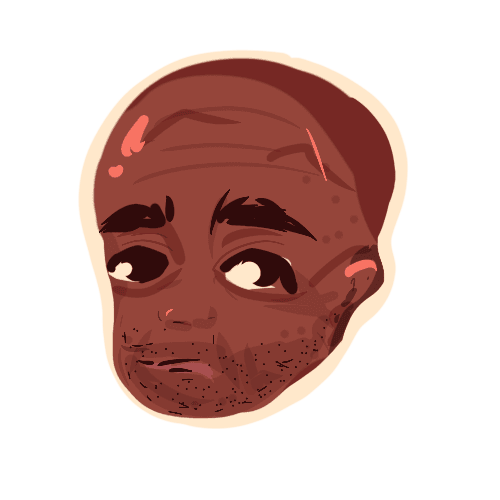
sing the chorus ♫⋆。♪ ₊˚
were they able to clearly say each word?
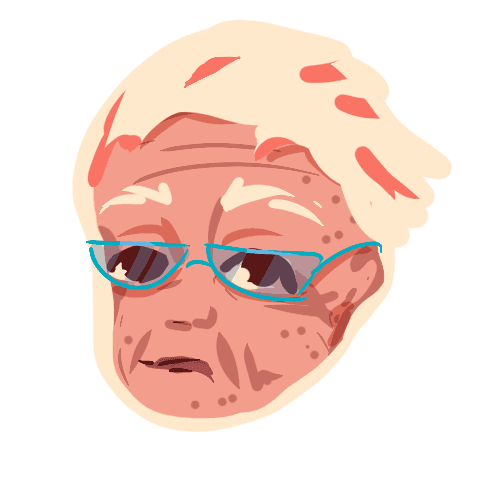
if you said “yes” to any of the prior questions, the person being observed may be having a stroke. contact emergency services (such as 911) IMMEDIATELY
every second matters
be sure to provide healthcare providers with: location, symptoms, when symptoms started, and any health history
F*
facial drooping, weakness, and unevenness is a significant symptom and key indicator of a stroke
A*
arm (or leg weakness) in one arm or leg compared to the other may indicate a stroke
S*
slurred or incoherent speech are a key sign and may indicate a stroke is occurring
T*
the quicker you act, the better the outcomes: know to reach help as soon as you notice symptoms
*a location offering a safe gathering for those suffering from Alzheimer’s disease --- we extend this to those who have suffered stroke
*provides peer support, social connection, and cognitive stimulation
*there is no one set model for a memory café, so be creative!
“model that conceptualises health in the context of the complex interplay between individual, family, community, and societal factors”
--- the World Stroke Organization-Lancet Neurology Commission
have higher risk for incident stroke and disparities increase based on socioeconomic status, education, and healthcare access and quality
--- National Library of Medicine
"family-led rehabilitation and education is an acceptable community-based package for patients and their relatives, and a necessary model of care for poor and rural populations"
--- the World Stroke Organization-Lancet Neurology Commission
"culturally appropriate primary and secondary prevention strategies should be developed to mitigate these disparities"
--- the World Stroke Organization-Lancet Neurology Commission
by directly asking you to think about what songs, dances, and jokes are relevant to you or your loved one, you can find symptoms in a way that is culturally relevant
--- click to find a memory cafe!
- this website is red for the color of stroke awareness <3
